特許適格性改革法案のPERAの概要と議会での進捗

Visual representation of the Patent Eligibility Reform Act (PERA) of 2023, featuring the Capitol Building, a gavel, patent documents, and technology icons, symbolizing a significant step towards clarifying the U.S. patent system and legal reform

上院司法委員会が特許適格性の問題解決に向けて重要な一歩を踏み出し、2023年に特許適格改革法案であるPERAついての証言を聴取しました。この法案は、従来のAliceテストの変わりに分類的アプローチを用いることで、特許可能な主題に関する長年の混乱を解消し、米国特許制度を明確化させる狙いがあります。しかし、PERAが立法化されるかは議会次第であり、具体的な進捗が今後あるかはまだ不明です。

USPTOがAmgen最高裁判決を踏まえた実施可能要件のガイドラインを発行:Amgen後もWands要因で判断
An illustrative depiction of the US Supreme Court building alongside monoclonal antibodies and patent documents, symbolizing the intersection of biotechnology and legal guidelines in the context of the Amgen Inc. vs. Sanofi patent enablement case.

2024年1月9日、米国特許商標庁(USPTO)は、米国連邦最高裁判所の最近の判決(Amgen Inc. et al. v. Sanofi et al., 143 S. Ct. 1243 (2023) )を踏まえ、特許審査官が実施可能要件の準拠を評価する際のガイドラインを公表しました。Amgenにおいて、最高裁は、モノクローナル抗体属を機能的にクレームしたクレームは、実施可能性 (enablement) の欠如により無効であると全会一致で判断しました。注目すべきは、最高裁は、Amgenで問題となった明細書がクレームを可能にしたか否かを分析する際に、Wands要因を明確に引用しなかったことですが、最近公表されたUSPTOのガイドラインは、「USPTOの職員は、クレームされた発明の全範囲を可能にするために必要な実験量が合理的か否かを確認するために、In re Wands要因を引き続き使用する」と強調しています。

AIに関する発明の権利化に関する特許適格性の問題とその解決方法
An illustrative scene highlighting the legal challenges in AI technology patent applications, featuring symbolic representations of AI technologies, such as neural networks, alongside legal symbols and documents. The image underscores the significance of overcoming Section 101 hurdles and the Alice test for patent eligibility through strategic pre-application measures.

AI技術の特許出願は増加していますが、特許法101条に基づく法的課題に直面しています。特に、機械学習技術が抽象的アイデアと見なされることがあり、その特許適格性 (patentable subject matter) が問われやすい傾向にあります。特許適格性の問題はAliceテストによって判断されますが、特許でクレームされている具体的かつ従来にない機械学習技術に焦点を当てるというような出願前の事前対策をおこなうことによって、AI発明の特許可能性に関する厳しい基準をクリアーすることが重要になってきます。

生成AI時代の実務利用における懸念点とAIの立ち位置
An illustrative depiction of the intersection between generative AI and the legal industry, showing a balanced courtroom scene with futuristic AI elements on one side, including a glowing digital brain and screens displaying legal data, and traditional legal symbols such as a gavel, law books, and the Scales of Justice on the other. A figure of a lawyer stands in the middle, symbolizing careful contemplation of integrating AI into legal practices

生成AIの進化は、法律業界に革新と挑戦の両方をもたらしました。弁護士はこの新技術を研究ツールとして活用しはめていますが、その使用には慎重さが求められます。最高裁判所長官の報告やUSPTO長官のメモから、実務におけるAIの利用で問題視されている事柄を確認してみましょう。

「人間の貢献度」を重視するUSPTOのAIガイダンスが公開される
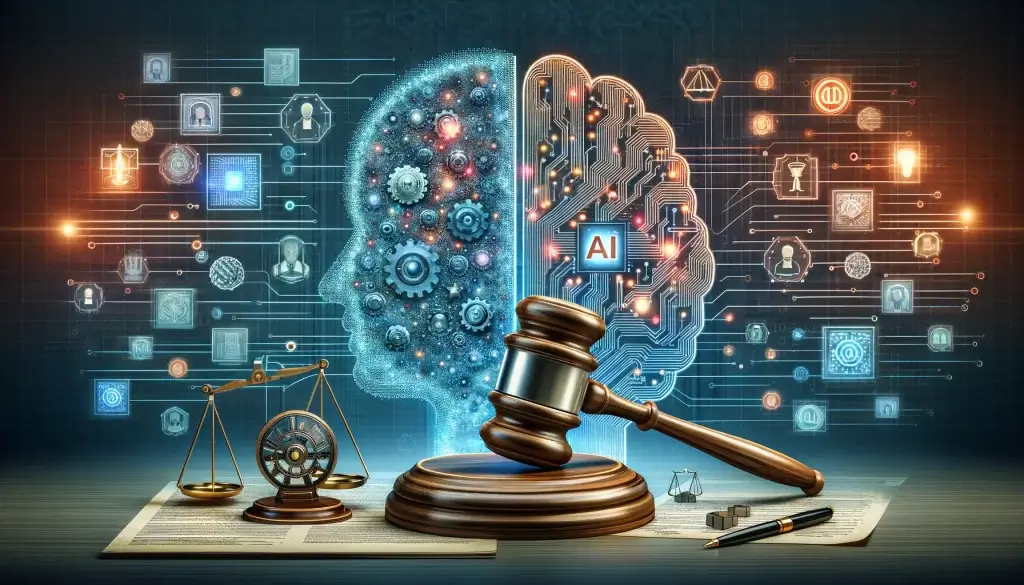
Digital illustration of the balance between human innovation and artificial intelligence in the context of patent law, featuring a gavel, patent documents, digital circuits, and an AI brain symbol, representing USPTO guidance on AI-assisted inventorship

米国特許商標庁(USPTO)は2月12日、人工知能(AI)支援発明の発明者性を判断するためのガイダンスを公表しました。同庁が以前から述べているように、このガイダンスは、「AI支援発明は一概に特許不可とは言えないものの、特許は人間の創意工夫にインセンティブを与え、それに報いる機能を有するため、発明者適格性分析は人間の貢献に焦点を当てるべきである」ことを明確にしています。