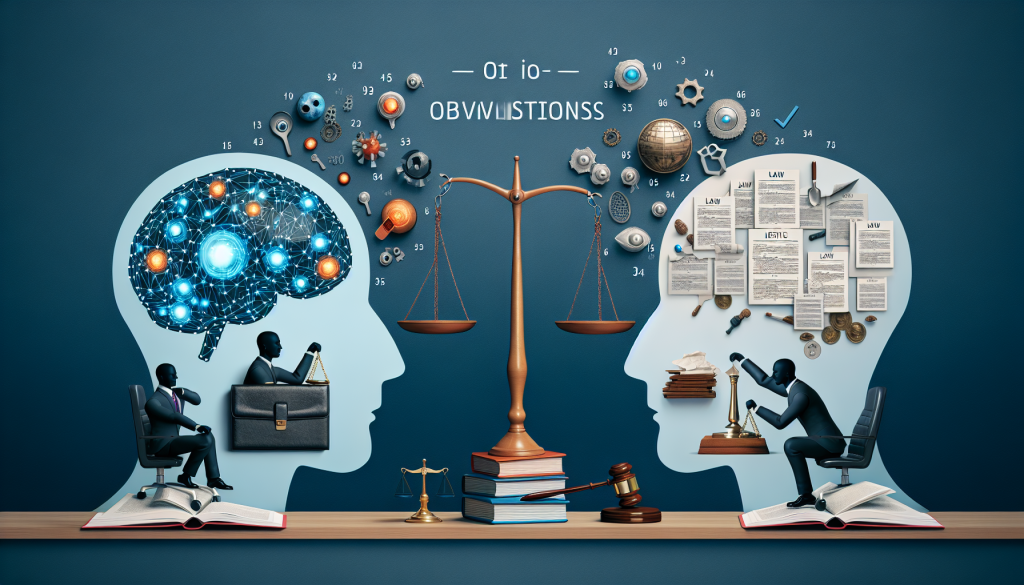
AI vs 特許弁護士:103条拒絶対応の能力はどちらが上なのか?(前編)

Analysis of AI capabilities in responding to 103 Non-Obviousness Rejections in Patent Cases.

この記事では、AIによる103条(非自明性)拒絶対応の能力を検証するための下準備として、実際の特許出願ケースをAIで分析してみました。AIによる発明概要の理解、拒絶理由の分析、提出済みOA対応の評価は興味深いものでした。特に注目すべきは、実際のOA対応が許可可能クレームを直接採用せず、より広い権利範囲を確保しつつ103条の拒絶を解消する戦略を取ったことです。次回の後編では、今回得られた情報を元にOA対応戦略を考え、AIを活用した103条(非自明性)の拒絶対応にチャレンジしていきます。

AI時代のデジタルレプリカ規制とは?:米国著作権局が提言する次世代の法的枠組み
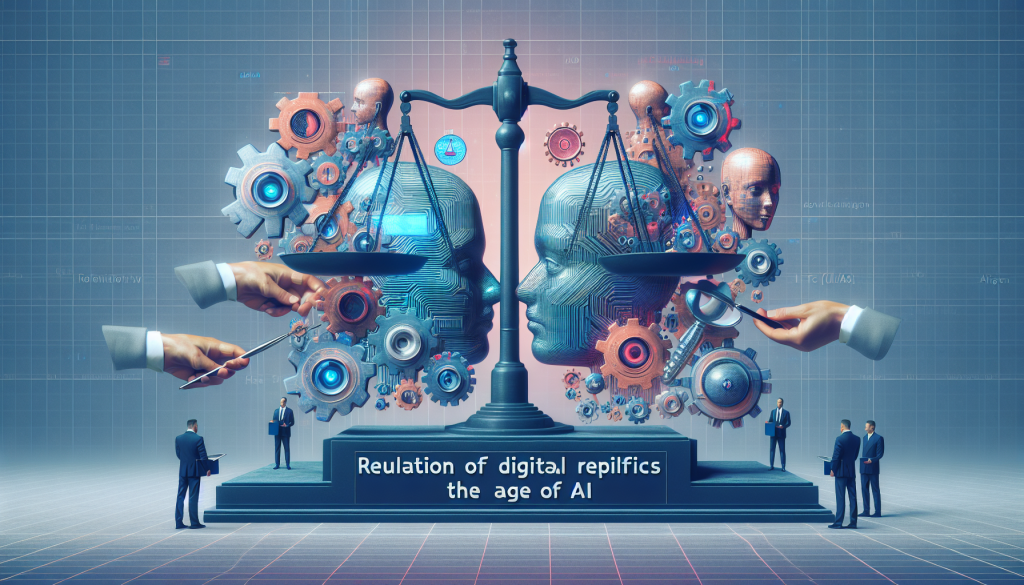
Report highlighting the importance of balancing individual rights protection and freedom of expression in response to the rapid evolution of AI-driven digital replicas, proposing comprehensive solutions to legal challenges posed by AI, analyzing potential benefits and risks of digital replicas, existing legal framework limitations, and elements to be included in new legislation. Mentions related bills under discussion in Congress and future expected reports and guidance regarding crucial issues at the intersection of AI and copyright. Essential reading for those seeking a deeper understanding of the significant issues at the intersection of AI and copyright, focusing on identity protection in the digital age and the advancement of technology.

AIによるデジタルレプリカの急速な進化に対応し、米国著作権局が新たな連邦法の制定を提言しています。この報告書は、個人の権利保護と表現の自由のバランスを取る重要性を強調し、AIがもたらす法的課題に対する包括的な解決策を提案しています。デジタルレプリカの潜在的な利点とリスク、既存の法的枠組みの限界、そして新法に盛り込むべき要素を詳細に分析しています。さらに、議会で検討中の関連法案や、今後予想される報告書やガイダンスについても言及しており、AIと著作権の交差点にある重要な問題に対する理解を深めたい方にとって、必読の内容となっています。デジタル時代における個人のアイデンティティ保護と技術革新の両立に向けた、この画期的な提言が今後どのように具体化されていくのか、目が離せません。